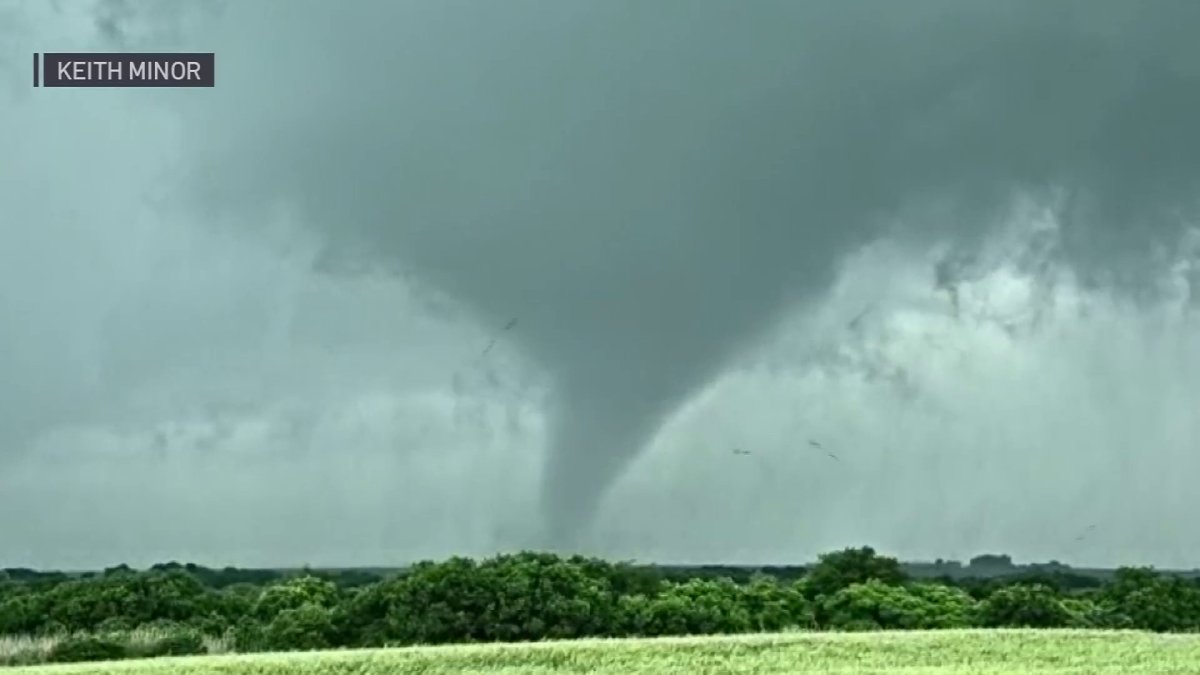
When it comes to documenting natural phenomena, few events are as awe-inspiring and terrifying as tornadoes. The ability to capture the raw power and beauty of these storms relies heavily on the quality of camera angles used in photography and videography. The Wild Tornado camera angle quality Wild Tornado experience teaches us not only about the storms themselves but also the techniques necessary for capturing them effectively. This article delves into the importance of camera angle quality when aiming to produce compelling visual narratives of tornadoes, exploring how these elements can impact storytelling and viewer engagement.
The Importance of Camera Angles in Tornado Photography
Camera angles play a crucial role in how a tornado is visualized and understood by audiences. The right angle can highlight the sheer scale and power of a tornado, making it both captivating and informative. Different angles can evoke various emotions and reactions from viewers, ranging from awe to fear. For instance, low-angle shots can emphasize the height and ferocity of a tornado, while aerial views offer a broader perspective of the storm’s context within the landscape.
Types of Camera Angles to Consider
While capturing tornadoes, various camera angles can be utilized to convey different aspects of these storms. Here are some of the most effective types:
1. Low Angle Shots
Low angle shots taken from the ground level can dramatize the tornado’s towering structure. This perspective can create a sense of intensity and power, making viewers feel as if they are right in the midst of the storm’s chaotic energy. Capturing the swirling debris and the tornado’s base from this angle can also provide insight into its dynamics.
2. High Angle Shots
Conversely, high angle shots taken from above can offer a comprehensive view of a tornado’s path and its impact on the surrounding area. These angles can reveal the tornado’s progression and allow viewers to see the storm’s interactions with the terrain, buildings, and vegetation. Aerial photography, using drones or aircraft, can be particularly effective for these types of shots.
3. Close-Ups
Close-up shots of the tornado’s structure, including the rotating funnel and swirling debris, can convey intricate details that highlight the storm’s power. These images can capture the nuances of the tornado’s formation, making them educational and visually striking. Close-ups can also be paired with commentary or analysis to enhance understanding.
4. Wide Shots
Wide shots help place a tornado within its broader environment, capturing the scope of the storm and its effects. These angles can show the contrast between the destructive force of the tornado and the serene aspects of the surrounding landscape, creating a juxtaposition that resonates with viewers. Wide shots can be particularly powerful when presenting the aftermath of a tornado.
Technical Considerations for Shooting Tornadoes
While understanding camera angles is critical, technical aspects of photography should not be overlooked. Here are some essential technical tips to keep in mind:

1. Use a Fast Shutter Speed
Tornadoes move quickly, so utilizing a fast shutter speed is crucial for freezing the action and capturing sharp images. A faster shutter will help to mitigate motion blur, which can obscure crucial details of the storm.
2. Choose the Right Lens
The choice of lens can significantly affect the resulting image quality and perspective. Wide-angle lenses are ideal for capturing expansive views of a tornado, while telephoto lenses can help focus on specific details from a distance. Understanding the strengths and weaknesses of different lenses can guide your choices based on the specific scenario.
3. Consider Lighting Conditions
Lighting can dramatically affect the quality of photographs. Tornadoes often occur during severe weather, which can create challenging lighting situations. Shooting during the golden hour (early morning or late afternoon) can provide beautiful natural light, while storm clouds may create dramatic contrasts and shadows. Pay attention to the position of the sun to optimize your shots.
Safety First: Ethical Considerations
For those considering photographing tornadoes, safety should always be a priority. Storm chasing can be incredibly dangerous, and approaching a tornado can put lives at risk. Always stay informed about weather conditions and adhere to safety guidelines when capturing such intense natural phenomena. Moreover, respecting the communities affected by tornadoes is crucial; documenting damage for educational purposes should be done with sensitivity.
Conclusion
Wild tornadoes are among nature’s most incredible spectacles, and the quality of camera angles is critical in capturing their essence. By utilizing various angles and techniques, photographers can tell powerful stories about these storms, educating and engaging audiences worldwide. Whether one is an amateur enthusiast or a professional photographer, understanding the significance of camera angle quality can greatly enhance the representation of tornadoes in visual media. As we continue to learn from these awe-inspiring phenomena, we can appreciate the artistry involved in documenting their beauty and terror.